Struggling with alcohol or drug use can make life feel overwhelming and restrictive, even while you are doing all that you can to keep it together. The Lakes is a behavioral health center in Lakeland that provides adults from across the state with the outpatient PHP and IOP support needed as well as detox placement for alcohol withdrawal.
Structured Alcohol and Drug Rehab in Lakeland, FL
We are not a detox or inpatient drug rehab facility. Instead, we provide a structured day treatment PHP for alcohol use disorder and an alcohol IOP, which combines evidence-based therapies and relapse prevention support, in addition to addressing co-occurring mental health concerns. If you or someone you care about is suffering from alcohol use disorder, opioid use, prescription drug misuse, or other substance use disorders, we have the expertise to create a treatment plan to provide you with clarity and a realistic path forward.
Why Choose Lakeland for Alcohol and Drug Rehab?
Early recovery is about building a sober life that holds up after treatment ends, not just stopping alcohol or drug use. Treatment in Lakeland gives you structure during the day and real-world practice every evening, close enough to home that the progress carries over.
Some of the reasons why Lakeland may be an ideal environment for addiction recovery and wellness:
Central Location
Lakeland is centrally located at 420 W Magnolia St, Lakeland, FL 33815. In Polk County, a short walk from Lake Mirror and downtown Lakeland. Clients come for daytime PHP and IOP sessions and return home each evening.
Recovery You Practice Where You Live
In PHP or IOP at our Lakeland center, you spend the day in therapy and relapse-prevention work, then go home and use those skills that same night. Facing everyday triggers with support behind you prepares you for life after treatment better than a stay far from home.
A Fresh Start Without Leaving Polk County
If your drinking or drug use is tied to certain people, places, or routines, a daily change of setting can help. Our downtown Lakeland center gives you that break while keeping you close to family, work, and the people who support your recovery.
Easy to Reach From Nearby Towns
Clients drive in from Auburndale, Bartow, Mulberry, and Winter Haven, usually in under 30 minutes on surface roads. Citrus Connection, Polk County’s public bus system, also runs routes between Winter Haven, Auburndale, and Lakeland, which helps if you can’t drive during early recovery.
A Clear Path From Detox to Outpatient Care
If you need medically supervised detox first, our admissions team coordinates placement with trusted providers. Once you’re medically stable, you can step directly into PHP or IOP in Lakeland, without a gap in care when relapse risk is highest.
Treatment for What’s Underneath
Many people who struggle with alcohol or drugs also live with anxiety, depression, or trauma. Because The Lakes treats addiction and mental health under one roof, both are addressed in a single plan rather than handed off between separate providers.
Licensed, Accredited Care
The Lakes is licensed by the Florida Department of Children and Families (LIC-1048608), LegitScript certified and accredited by The Joint Commission, so your treatment meets state and national standards for safety and clinical quality.
Our Lakeland Alcohol and Drug Rehab Campus
Located centrally in Lakeland, we are able to assist adults and their families throughout the state.
- We are conveniently located in Lakeland, a centrally located city, making treatment. easily accessible to residents across the state
- We offer in-person treatment programs.
- Our facility is comfortable, secure, and private.
Our admissions team will be happy to assist you with questions about how to get to our facility, schedule an appointment, or fit treatment around your other commitments.


Addiction Treatment Levels of Care at The Lakes
The Lakes offers multiple levels of care depending upon your individual needs. The level of care suggested by the treatment team may change depending upon your development and stability.
Detox Placement
Some individuals need a medically supervised detox or short stabilization before they will be able to engage in day treatment. If you are at risk of experiencing severe alcohol withdrawal and need medical supervision or inpatient support first, we help coordinate detox placement for alcohol withdrawal with referrals to appropriate treatment providers. After a medically stable and safe detox period, you would be able to continue your treatment with PHP or IOP at The Lakes.
Learn more
Partial Hospitalization Program (PHP)
PHP is the highest outpatient intensity level of care that includes multiple treatment services throughout the week, including group therapy, individual therapy, and skills training, in addition to regular follow-up with your providers. After your treatment day, you return home or to a supportive living environment each evening.
Learn more
Intensive Outpatient (IOP)
IOP is a medium intensity level of care. You would participate in several days of treatment services during the week with structured support by a treatment provider. You attend groups, see individual clinicians, and learn how to use relapse prevention and coping skills while continuing to manage work, school, or family responsibilities.
Learn more
Medication Support for Alcohol Use Disorder
For some clients, medication makes recovery from alcohol easier to sustain. At our Lakeland center, psychiatric providers may recommend FDA-approved medications for alcohol use disorder when clinically appropriate:
Naltrexone can reduce cravings and blunt the rewarding effects of drinking, which can make a slip less likely to turn into a relapse.
Acamprosate is typically started after someone has stopped drinking. It helps ease the lingering restlessness, anxiety, and sleep problems that can make early sobriety hard.
Disulfiram causes unpleasant physical reactions if alcohol is consumed. It works best for people who want a firm deterrent and have strong support at home.
Medication isn’t right for everyone. Your provider will review your health history, current medications, and goals before recommending any option. When medication is part of your plan, it works alongside therapy, not in place of it. You’ll keep meeting with your provider during PHP or IOP so they can monitor how it’s working.
Learn more
Who We Help
Substance use disorders can look different from person to person. Some people are using daily. Others are consuming excessively, spiraling on weekends, or trying to stop but finding they cannot. Many people also live with anxiety, depression, trauma, or mood swings that make cravings and relapse more likely.
The Lakes might be a good fit for you if you are dealing with:
- Alcohol use that is starting to affect relationships, work, or health
- Drug use that feels difficult to control, including opioids or prescription medications
- Withdrawal symptoms when you try to cut back or stop
- Repeated attempts to quit that do not last on your own
- Substance use tied to stress, anxiety, depression, or trauma
- A dual diagnosis situation where mental health and addiction are overlapping
- A need for structure, accountability, and real coping skills, not just advice
Substance use rarely exists in isolation. It often overlaps with sleep problems, chronic stress, physical health concerns, grief, family strain, or financial pressure. When we build a plan, we look at the full picture of your life, not just a list of substances.
Lakeland Areas to Relax and Support Recovery
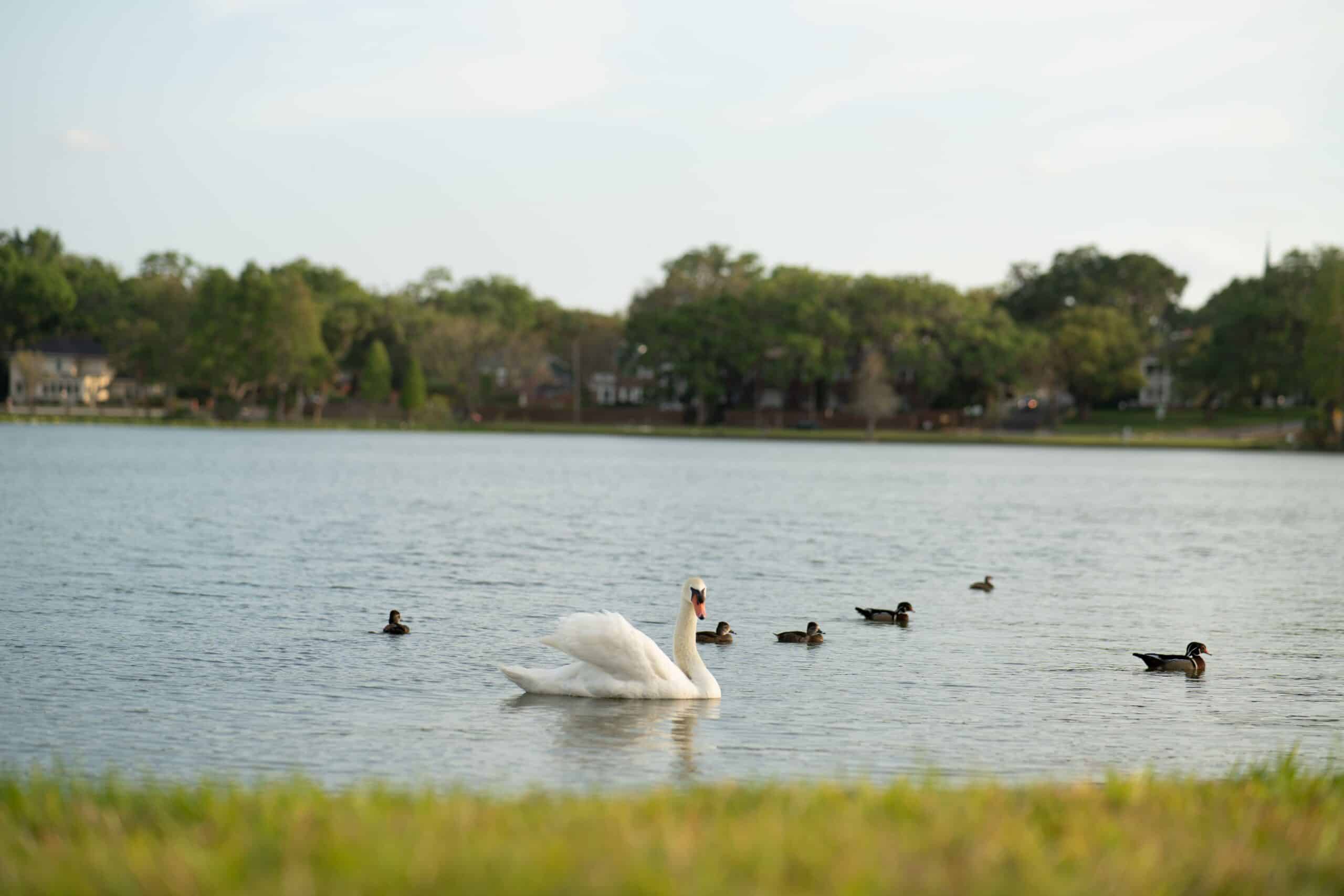
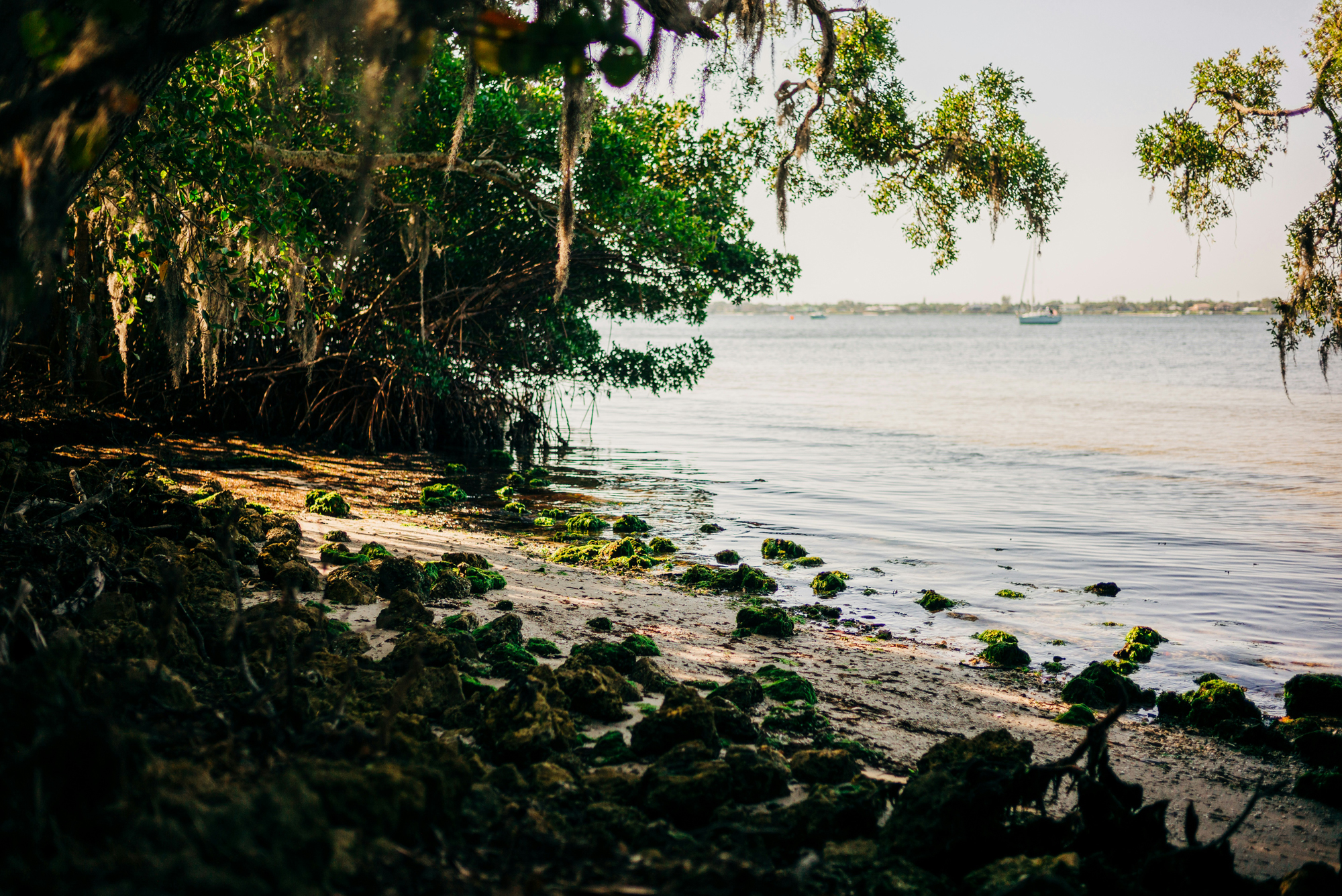
Lakeland has a calm, welcoming atmosphere that can support healthier routines as you work on recovery. When you are rebuilding your life, small choices matter. Here are a few low-pressure options in Lakeland:
- Hollis Garden is a peaceful place to take a walk and clear your head.
- Lake Hollingsworth Trail is a three-mile loop that offers you an opportunity to walk at your own pace and create regular, healthy habits.
- The Ashley Gibson Barnett Museum of Art is a free art museum run by the community, where you can find inspiration to reflect, create, and think outside the box.
- Circle B Bar Reserve is a nature area within the city where you can experience shaded trails and an opportunity to see wildlife.
- Common Ground Park is an outdoor venue where you can enjoy quality time with people who support you without feeling the pressure of a crowd.
- Lakeland Downtown Farmers Curb Market is a weekend event where you can shop with local farmers and vendors for healthy food and develop a connection with your community.
Taking the Next Step
Asking for help is a commitment to making a change in your life and seeking a better life.
If you are currently living in or around Lakeland and looking for an in-person addiction treatment center with a calm, supportive environment, The Lakes may be a good fit. Whether you are interested in recovery for yourself or would like to help a loved one find the support they need, we will be happy to provide you with the information you need to determine if our programs fit your current needs.
Local Recovery Stats You Should Know
When you are in need of support or perspective, numbers can help. Below are statistics that reflect the prevalence of both substance use disorders and mental health issues in Polk County:
In 2023, Polk County recorded 1,432 non-fatal drug overdose emergency department visits.[1]
Adult substance abuse program enrollees in Polk County declined from 3,248 (2018) to 1,854 (2023), which is about a 43% decrease.[2]
In 2023, the Lakeland medical examiner district recorded 87 cocaine-related deaths (present and cause combined) and 32 deaths involving fentanyl analogs (8 where fentanyl analogs were listed as a cause of death, 24 where they were present).[3]
In 2024, Polk County recorded 185 alcohol-confirmed traffic crashes, up from 153 the year before. In the same year, 138 Polk County residents were injured and 23 people were killed in alcohol-confirmed crashes.[4]
According to the Florida Department of Health’s 2025 Polk County Community Health Assessment, adult binge drinking in Polk County has increased over time.[5] Getting help early, before drinking leads to a crash, an injury, or a health crisis, can make a lasting difference.
FAQs About Alcohol and Drug Rehab in Lakeland
How long does Lakeland alcohol and drug addiction treatment usually last?
The length of rehab depends on a person’s needs, substance use history, and level of care. Many programs at drug and alcohol rehab centers in Lakeland last between 30 and 90 days, while outpatient care may continue for several months. At The Lakes, treatment length is individualized and adjusted as progress is made.
How much does alcohol or drug rehab cost in Lakeland?
The cost of rehab in Lakeland varies based on the type of program, length of stay, and insurance coverage. Many people use private insurance to help cover treatment, and our admissions team can verify benefits and explain treatment options before you begin.
Does insurance cover Lakeland alcohol and drug rehab?
Many insurance plans provide coverage for addiction treatment, including outpatient and intensive outpatient programs. Coverage levels vary, but The Lakes works with most major insurance providers and helps clients understand what services may be covered.
What addictions do people commonly seek rehab for in Lakeland?
People come to rehab for a wide range of substance use concerns, including alcohol, opioids, prescription medications, stimulants, and other drugs. Many individuals also seek treatment for co-occurring mental health conditions like anxiety, depression, or trauma alongside substance use.
How effective is treatment for alcohol and drug addiction?
Rehab can be highly effective when it is tailored to the individual and followed by ongoing support. Programs that combine therapy, skill-building, and mental health care tend to lead to better long-term outcomes, especially when people stay engaged in treatment beyond the initial phase.
Do I need detox before alcohol rehab in Lakeland?
Not always. It depends on how much and how long you’ve been drinking. People who have been drinking heavily or daily can go into alcohol withdrawal when they stop. Withdrawal can range from shakiness, sweating, and anxiety to seizures or other serious complications, so it’s important not to stop suddenly on your own without medical advice.
The Lakes does not provide detox on-site. When you contact us, our admissions team reviews your drinking history and health to determine whether medically supervised detox is needed first. If it is, we coordinate placement with a trusted, accredited detox provider. Once you’re medically stable, you can move directly into our PHP or IOP in Lakeland so there’s no gap in care. If you don’t need detox, you can begin outpatient treatment with us right away. Learn more about our detox placement process.
If you or someone you love is having severe withdrawal symptoms, such as confusion, hallucinations, or a seizure, call 911 right away.
Sources
[1] DOSE-DIS Dashboard: Nonfatal Overdose Emergency department and inpatient hospitalization discharge data. (2025, December 18). Overdose Prevention. Retrieved from: https://www.cdc.gov/overdose-prevention/data-research/facts-stats/dose-dashboard-nonfatal-discharge-data.html. Accessed on September 7, 2026.
[2] Florida Department of Health, Bureau of Community Health Assessment. (n.d.). Adult substance abuse program enrollees (aged 18 years and older): Ten year report (FLHealthCHARTS; data source noted as Florida Department of Children and Families). Retrieved from: https://www.flhealthcharts.gov/ChartsDashboards/rdPage.aspx?cid=8723&rdReport=NonVitalIndNoGrpCounts.TenYrsRpt. Accessed on September 7, 2026.
[3] Florida Department of Law Enforcement. (2024). Drugs identified in deceased persons: 2023 annual report (Florida Medical Examiners Commission). Retrieved from: https://www.myfloridalegal.com/sites/default/files/2025-01/2023-drugs-in-deceased-annual-report.pdf. Accessed on September 7, 2026.
[4] Florida Department of Health, Division of Public Health Statistics and Performance Management. (n.d.). Alcohol confirmed motor vehicle traffic crashes; Alcohol confirmed motor vehicle traffic crash injuries; Alcohol confirmed motor vehicle traffic crash fatalities (FLHealthCHARTS; data source: Florida Department of Highway Safety and Motor Vehicles). Retrieved from: https://www.flhealthcharts.gov/ChartsDashboards/rdPage.aspx?rdReport=NonVitalIndNoGrp.Dataviewer&cid=0869. Accessed on October 22, 2026.
[5] Florida Department of Health in Polk County. (2025). Polk County Community Health Assessment: Executive summary. Retrieved from: https://polkvision.com/wp-content/uploads/2026/08/Polk-County-CHA-2025-Executive-Summary.pdf. Accessed on October 22, 2026.